Does Homeowners Insurance Cover Dumpster Rental After a Storm?
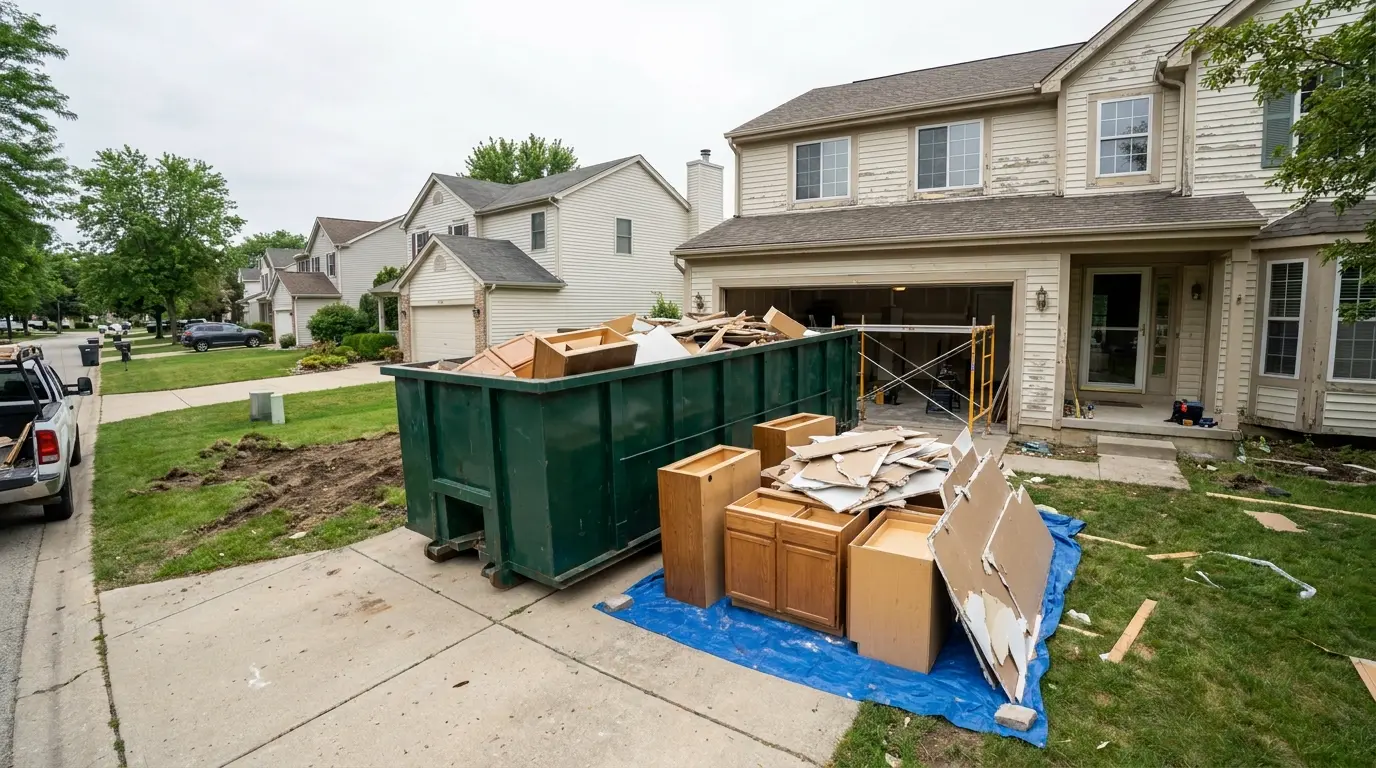
What Homeowners Need to Know About Storm Debris Cleanup and Insurance
After a storm tears through your property, the first question is often: who pays for the dumpster? Most homeowners insurance policies cover debris removal as part of a covered loss. That means if a fallen tree damages your roof, the cost to haul away the wreckage—including a dumpster rental—is usually included. But coverage limits vary, and local conditions can change the answer. For example, in hurricane-prone states like Florida or Texas, separate wind or flood deductibles may apply. In areas with strict landfill bans on wet debris or treated wood, disposal costs can rise fast. Understanding your policy’s terms before you order a roll-off bin saves money and delays. This reality matters because storm cleanup is urgent, and waiting for insurance approval can lead to mold growth, higher repair bills, or neighborhood fines for uncontained debris.
How Homeowners Insurance Covers Debris Removal After a Storm
Most standard HO-3 policies include debris removal coverage as part of the dwelling limit. If your home suffers covered damage from wind, hail, or a falling tree, the insurance company typically pays for clearing the resulting mess. This can include the cost to rent a dumpster for several days or weeks. The coverage is usually a percentage of your dwelling coverage—often 5% to 10%. For a home insured at $300,000, that means $15,000 to $30,000 for debris removal alone.
“After a hurricane, we see many homeowners surprised that their policy covers the dumpster rental but not the cost of permits or overweight fines. Check your local rules.”
What Storm Damage Triggers Dumpster Rental Coverage?
Not every storm is covered. Standard policies exclude flood damage (needs separate flood insurance) and earth movement (earthquake or mudslide). Common covered events that justify dumpster rental:
-
Windstorm with hail causing roof or siding damage.
-
Falling trees or branches that hit a structure.
-
Lightning strike causing fire damage.
-
Explosion from gas line rupture.
In each case, the debris removal must be directly related to the covered peril. If a tree falls in your yard but doesn’t hit your house, insurance usually won’t pay for cutting it up or renting a dumpster. That’s a landscaping expense, not a covered loss.
Policy Limits and Deductibles That Affect Your Dumpster Rental
Most states allow insurers to apply a separate wind/hail deductible in coastal areas. In Texas, that deductible is often 1% to 5% of the home’s value. A 2% deductible on a $400,000 house means you pay the first $8,000 before coverage kicks in. If your dumpster rental costs $500, that’s on you unless the total repair bill exceeds the deductible.
Also watch for sub-limits on debris removal. Some policies cap coverage at $5,000 or $10,000 for debris removal regardless of dwelling limit. Check your declarations page or ask your agent.
Local Permits and Regulations That Can Change Costs
Right-of-way permits are required in many cities if your dumpster sits on the street. After a storm, permit fees may be waived, but not always. In Miami-Dade County, storm debris permits cost $25 and require a 24-hour notice. In Houston, you need a street occupancy permit even post-hurricane, or face fines.
Landfill bans on certain materials affect pricing. Wet drywall, treated lumber, and roofing shingles often have special disposal fees. In California, construction and demolition debris must be sorted before landfill disposal, raising dumpster rental costs by 20-30%. Check with your dumpster provider about accepted materials.
When to Call a Professional Dumpster Rental Company
After a storm, debris piles grow fast. Mold can start within 24-48 hours in wet material. Renting a dumpster immediately prevents health risks and keeps your property clean for adjuster inspections. A professional dumpster rental company can:
-
Deliver a bin sized for your debris volume (10-yard to 40-yard roll-offs).
-
Advise on weight limits to avoid overage charges (typical limit 2-10 tons).
-
Handle load cover requirements to prevent debris from blowing out during transport.
-
Provide a receipt for your insurance claim.
How to File a Claim for Dumpster Rental
-
Document damage with photos before cleanup.
-
Call your insurance agent immediately. Ask if debris removal is covered and if there’s a sub-limit.
-
Get a written estimate for the dumpster rental from a local company.
-
Keep all receipts and permits. Many insurers require pre-approval for expenses over a certain amount.
-
If the dumpster is needed before adjuster visit, take photos of debris placement, then proceed. Most adjusters will accept documented cleanup as reasonable.
Common Mistakes Homeowners Make After a Storm
-
Waiting too long to remove debris. Mold and rot increase claim costs.
-
Throwing away personal property without documentation. Items like furniture, electronics, and appliances may be covered under personal property—but need separate inventory.
-
Failing to check local disposal bans. Some storm debris (e.g., saltwater-soaked carpet) may require special handling and cost extra.
-
Assuming all dumpster rentals are equal.
Compare prices and ask about fuel surcharges, weight limits, and permit handling.
Real-World Example: Hurricanes and Dumpster Rental in Florida
In 2022, Hurricane Ian caused billions in damage. Many Florida homeowners learned that their insurance covered dumpster rental only if debris was within 100 feet of the structure. Debris tossed into the street by wind was considered ‘off-premises’ and not covered unless it blocked access. Local ordinances in Lee County required homeowners to separate vegetative debris from construction debris or face collection delays. That meant renting two dumpsters—one for yard waste, one for drywall—at different costs.
The Role of State Environmental Agencies
After a disaster, state environmental agencies like CalRecycle or Texas Commission on Environmental Quality may suspend certain landfill bans temporarily to speed cleanup. But they often impose reporting requirements. For example, in Louisiana, post-storm debris must be tracked by weight and type. Your dumpster provider should know these rules. Ask them if they use facilities compliant with RCRA hazardous waste regulations—some storm debris like batteries from damaged electronics may count.
Conclusion: Insurance + Dumpster Rental Is Doable — With Preparation
Homeowners insurance usually covers dumpster rental after a covered storm, but limits, deductibles, and local rules matter. Check your policy before you need it. Know your deductible and call a reputable dumpster rental company that understands post-storm logistics. They can guide you on permits, materials, and documentation. Waiting only costs you more.
The Bottom Line for Homeowners Facing Storm Cleanup
Your homeowners insurance likely covers a dumpster rental after a storm, but only if the damage is from a covered peril and you follow the rules. Check your policy for debris removal limits and deductibles. In states like Florida, Texas, or Louisiana, separate hurricane deductibles apply. Local landfill bans and right-of-way permits can add costs if not handled early. The smart move: call your insurance provider first, then call a dumpster rental company that knows post-storm debris logistics. They can help you get the right bin size, handle permits, and provide proper documentation for your claim. Waiting means higher repair bills, mold growth, and possible fines. Act fast, keep records, and ask questions. We’re ready to deliver a dumpster wherever you are.
Frequently Asked Questions
Does homeowners insurance pay for dumpster rental after a storm?
What if the storm only knocked down trees but didn't damage my house?
Do I need a special permit for a dumpster after a storm?
Can I throw away anything in a dumpster covered by insurance?
How do I prove the dumpster cost to my insurance company?
Explore All Services
Browse all nationwide service options and choose the right fit for your project.
Nationwide construction debris removal from Dumpster Pros. Pricing and availability vary by market, local codes, and property type. Get a free quote today.
Call NowGet home cleanout dumpster delivered to your property. Delivery varies by market, code rules, and property type. Request a quote online.
Call NowGet a roofing shingle dumpster delivered nationwide. Prices vary by market, code rules, and property type. Call Dumpster Pros for a quick quote.
Call NowNeed nationwide yard waste disposal? We deliver roll-off dumpsters across the US. Pricing and availability vary by market, local codes, and property type. Get a quick quote today.
Call NowExpert concrete debris removal across the USA. Costs vary by region, code, and property type. Call Dumpster Pros for a local quote.
Call NowGet estate cleanout rental nationwide from Dumpster Pros. Delivery varies by local codes, property type, and market conditions. Request a quote today.
Call NowFast basement junk hauling nationwide. Costs vary by market, code, and property type. Get a free quote today.
Call NowGet a garage cleanout dumpster from Dumpster Pros. Prices vary by market, local codes, and property type. Fast, reliable delivery nationwide.
Call NowNeed large branch yard waste disposal? Dumpster Pros offers nationwide service, but delivery and pricing vary by market, local codes, and property type. Get a quote today.
Call NowOffice renovation dumpster service across the US. Delivery options and pricing vary by local codes, market, and property type. Call for a quote.
Call NowRent a scrap metal dumpster nationwide. Delivery, pricing, and rules vary by market. Check local availability and get a quote today.
Call NowNationwide driveway asphalt disposal from Dumpster Pros. Pricing, permits, and rules vary by market and property type. Get a quote today.
Call NowNationwide carpet and flooring dumpster service. Delivery varies by local code, property type, and market. Request a quote for your area.
Call NowNationwide brick and block removal service. Delivery varies by market, code rules, and property type. Call for a quote today.
Call NowFast Christmas tree disposal across the U.S. Prices vary by market, local codes, and property type. Get a free quote from Dumpster Pros today.
Call NowNationwide apartment move-out cleanout. Prices and permits vary by market, code rules, and property type. Get a free quote from Dumpster Pros.
Call NowBrowse by State
Choose your state or region to find local service coverage pages.
Need Nationwide Dumpster Rentals?
We connect you with trusted local providers in your state or city. Call or email us today.